
Electric Gate Repair: 5 Warning Signs You Shouldn’t Ignore
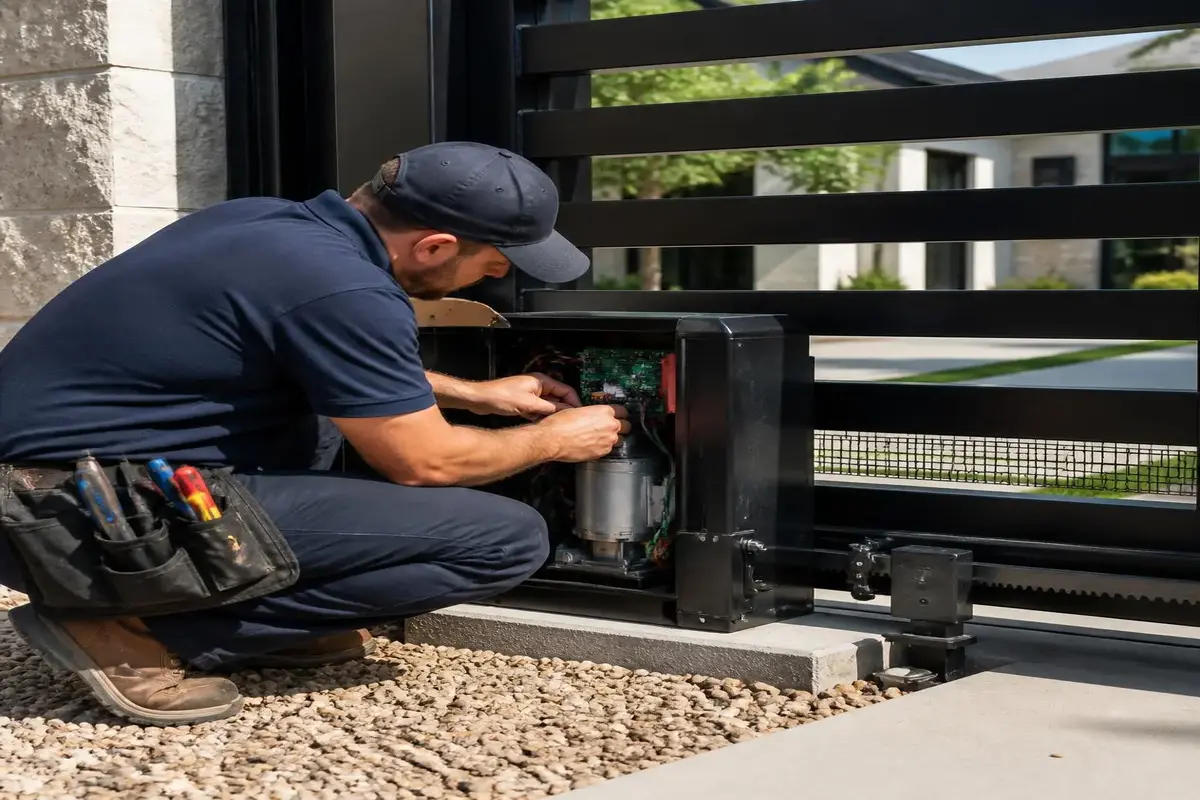

Your electric gate is one of the hardest-working parts of your property. It protects your home or business, provides convenient access, and adds an extra layer of security. Most homeowners and property managers never think much about it until it suddenly stops working. The good news is that electric gates rarely fail without warning. In most cases, they develop small problems that become more noticeable over time. Ignoring these early signs can lead to expensive repairs, unexpected security risks, or even complete gate failure at the worst possible moment. At Austin Gate Repair, we repair electric gates throughout Austin, TX, every day. Our technicians proudly serve homeowners and businesses throughout Austin, Round Rock, Cedar Park, Pflugerville, Georgetown, Leander, and surrounding Central Texas communities. Whether you need a minor adjustment or a complete electric gate repair, our team provides prompt, reliable service tailored to your property’s needs. From worn-out gate motors and faulty sensors to damaged tracks and malfunctioning openers, we’ve seen how a minor issue can quickly turn into a major repair when left unattended. Whether you own a residential driveway gate or a commercial entry system, recognising these warning signs early can save you time, money, and unnecessary stress. If you’re unsure whether your gate needs professional attention, our Electric Gate Repair service can diagnose the issue before it becomes a complete breakdown.
The 5 Most Common Signs Your Electric Gate Needs Repair
| Warning Sign | Common Cause | Why You Shouldn’t Ignore It |
|---|---|---|
| Slow gate movement | Worn motor, damaged rollers, dirty tracks | Can lead to complete motor failure if left untreated. |
| Unusual noises | Loose hardware, worn bearings, lack of lubrication | Continued use may damage the motor and moving parts. |
| Remote or keypad issues | Faulty wiring, receiver, or control board | The gate may eventually stop responding altogether. |
| Gate stops or reverses | Sensor problems, limit switch faults, track obstructions | Creates security risks and increases wear on the system. |
| Visible damage | Rust, bent tracks, loose components | Small structural issues can quickly become expensive repairs. |
If you notice any of the following issues, it’s a good idea to schedule a professional inspection rather than waiting until your gate stops working completely.
1. Your Electric Gate Is Opening or Closing More Slowly Than Normal
One of the earliest signs that you need electric gate repair is slower-than-normal operation. Think back to when your gate was first installed. It probably opened smoothly, moved at a consistent speed, and closed without hesitation. If you’ve started noticing delays, pauses, or sluggish movement, your gate is trying to tell you something. Several issues can cause slow operation, including:
- A worn or failing gate motor
- Dirty or damaged tracks
- Lack of lubrication
- Worn rollers or hinges
- Electrical problems
- Debris blocking the gate’s movement
Austin’s hot summers can also take a toll on electric gate systems. High temperatures place additional strain on motors and electronic components, causing them to work harder than they should. Over time, this extra stress reduces efficiency and increases the risk of failure. Many homeowners assume that a slower gate is simply part of getting older. In reality, slow movement is often one of the first symptoms of a mechanical or electrical problem that can usually be repaired before major damage occurs. If your gate has gradually become slower over the past few weeks or months, don’t ignore it. A professional inspection can identify the cause early and prevent more expensive repairs later. For homeowners experiencing slow-moving driveway gates, our Driveway Gate Repair Services team can inspect the motor, rollers, tracks, and electrical system to restore smooth operation.
2. Your Gate Starts Making Unusual Noises
Electric gates should never become noticeably louder over time. Every gate has its normal operating sound. Once you become familiar with it, unusual noises are easy to recognise. Grinding, squeaking, scraping, clicking, rattling, or banging noises usually indicate that something inside the system is wearing out or has already become damaged. Some of the most common causes include:
- Loose mounting hardware
- Worn rollers
- Damaged bearings
- Dry hinges
- Misaligned tracks
- Failing gate opener components
- Motor gear wear
These noises rarely disappear on their own. Instead, they usually become worse as the damaged parts continue to wear against one another. For example, a dry roller may initially create a slight squeak. Left untreated, that same roller can eventually seize completely, placing excessive strain on the gate motor and leading to much more costly repairs. Similarly, a loose chain or a damaged gear inside the opener may start with a faint clicking noise before progressing to complete motor failure. Regular inspections and preventative maintenance help identify these issues before they cause permanent damage. If your gate has recently started making unusual sounds, it’s worth having it checked by an experienced technician rather than waiting for the problem to escalate. Our Gate Maintenance service helps identify worn components early, extending the life of your electric gate and reducing the likelihood of unexpected breakdowns.
3. Your Remote, Keypad, or Gate Opener Works Intermittently
There’s nothing more frustrating than pressing your gate remote several times before it finally responds. One day it works perfectly, the next day it doesn’t open until you’ve pressed the button repeatedly, or it refuses to work altogether. Many homeowners immediately assume the remote batteries are dead. While that’s certainly possible, intermittent operation often points to a much deeper issue within your gate system. Some of the most common causes include:
- A failing control board
- Faulty receiver or transmitter
- Damaged electrical wiring
- Signal interference
- A worn gate opener
- Loose electrical connections
- Low-voltage power issues
These problems rarely fix themselves. In fact, they almost always become worse over time. For example, a loose electrical connection may only interrupt the signal occasionally at first. As vibration, weather exposure, and everyday use continue, that connection can fail, leaving your gate stuck open or closed when you least expect it. Another common issue we see throughout Austin is moisture affecting electronic components. Heavy rain, humidity, and years of outdoor exposure can damage receivers and control boards, causing unpredictable behaviour that becomes more frequent over time. If you’ve noticed that your remote only works from a very short distance, your keypad sometimes responds and sometimes doesn’t, or your gate opener randomly stops communicating with the motor, don’t keep resetting the system and hoping the issue disappears. These are all warning signs that your gate’s electrical system needs professional attention. At Austin Gate Repair, we regularly diagnose intermittent electrical faults before they lead to complete system failures. Our Gate Opener Repair service includes a full inspection of the opener, receiver, control board, wiring, and safety devices to identify the root cause, not just the symptoms.
| Quick Tip If changing the batteries doesn’t solve the problem immediately, avoid repeatedly forcing the gate to operate. Repeated unsuccessful attempts can place unnecessary strain on the motor and electronic components, potentially turning a minor repair into a much larger one. |
4. Your Gate Stops Halfway or Reverses Without Warning
One of the clearest signs that you need electric gate repair is when the gate starts moving normally but suddenly stops, reverses direction, or refuses to complete its cycle. Besides being frustrating, this can become a serious safety and security concern. Imagine leaving for work only to discover that your gate refuses to close behind you. Or returning home after dark to find it won’t open fully, leaving your vehicle blocking the driveway. This type of behaviour is usually caused by a fault in one of the gate’s safety or operating systems, including:
- Misaligned photo-eye sensors
- Dirty or obstructed safety sensors
- Faulty limit switches
- Track obstructions
- Worn rollers
- Motor overload protection
- Control board calibration issues
Modern automatic gates are designed with built-in safety features that prevent accidents. If the system believes there’s an obstruction, even when there isn’t, it may stop or reverse automatically. Sometimes the solution is as simple as cleaning the sensors. In other cases, damaged wiring, worn components, or failing electronics require professional repair. Ignoring these warning signs isn’t recommended. Every incomplete opening or closing cycle places additional stress on the motor, gearbox, chain, and moving components, increasing wear and making a complete breakdown far more likely. For businesses, this can also create operational problems by delaying deliveries, restricting vehicle access, or compromising site security. Homeowners face similar risks, particularly when gates fail to secure the property properly. According to the Door and Access Systems Manufacturers Association (DASMA), regular inspection and maintenance of automated gate systems help improve reliability, extend equipment life, and ensure safety by identifying worn or malfunctioning components before they cause failures. This is why routine maintenance is strongly recommended for all automated gate systems. If your automatic gate repeatedly stops halfway, reverses unexpectedly, or struggles to complete its opening or closing cycle, scheduling a professional inspection now is far more cost-effective than waiting for complete motor or control board failure. If your property relies on an automated entry system, our Automatic Gate Repair specialists can diagnose sensor faults, electrical issues, damaged components, and programming problems to restore safe, reliable operation.
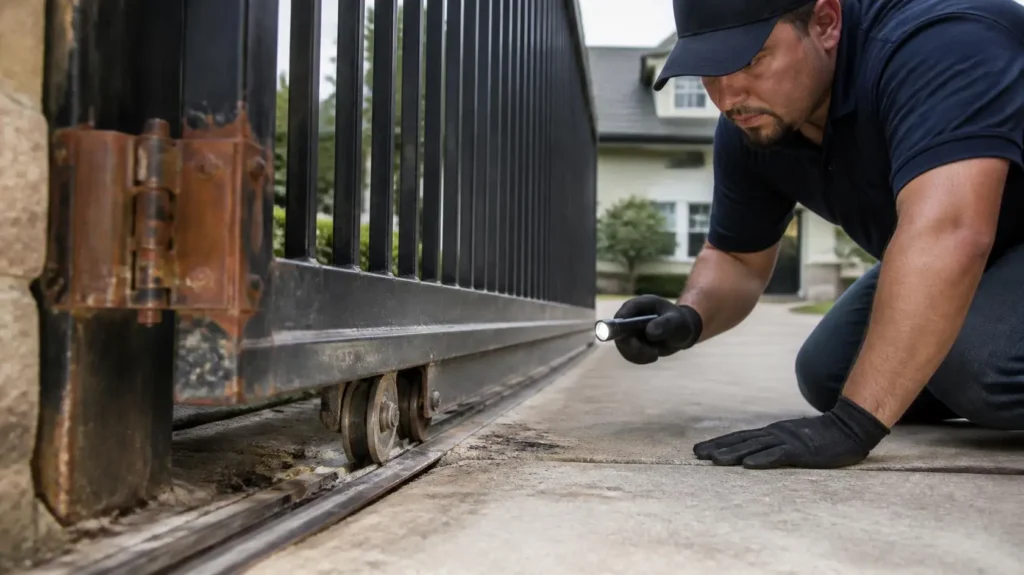
5. Visible Damage Is a Sign Something Bigger Could Be Wrong
Not every electric gate problem starts with a noisy motor or an unresponsive remote. Sometimes, the warning signs are right in front of you. A quick visual inspection can reveal problems that may not affect your gate immediately but could lead to expensive repairs if ignored. Look for issues such as:
- Rust forming on the frame or hinges
- Bent or misaligned tracks
- Cracks around welded joints
- Sagging gate panels
- Loose bolts or brackets
- Damaged rollers
- Frayed or exposed electrical wiring
- Oil leaking from the gate motor or gearbox
Many property owners continue using their gate because it still opens and closes. However, visible damage often creates additional stress on other components. For example, a bent track forces the rollers and motor to work harder every time the gate moves. Over time, this extra resistance can shorten the lifespan of the motor and increase energy consumption. Likewise, rust may seem cosmetic at first, but if left untreated, it can weaken structural components and compromise the gate’s stability. Austin’s climate can accelerate this type of wear. Long periods of intense heat, sudden storms, humidity, and airborne dust gradually affect both mechanical and electrical components. Even high-quality gates require periodic inspections to remain in good working condition. If you notice visible damage, don’t wait until the gate becomes unsafe or stops operating altogether. A professional inspection can identify whether the issue requires a simple repair or a more extensive solution. For gates showing structural damage or significant wear, our Gate Repair specialists can assess the condition of the entire system and recommend the most cost-effective solution.
Why Electric Gates Commonly Fail in Austin, TX
Electric gates operate outdoors every day, making them vulnerable to changing weather conditions and constant use. In Austin, several local factors contribute to premature wear and unexpected breakdowns.
Extreme Summer Heat
Texas summers regularly expose gate motors, control boards, and electrical components to high temperatures. Excessive heat can cause motors to overheat, reduce lubrication efficiency, and place additional strain on moving parts.
Heavy Rain and Moisture
Although electric gate systems are designed for outdoor use, prolonged exposure to moisture can affect wiring, sensors, control boards, and connectors. Water intrusion is one of the most common causes of intermittent electrical faults.
Dust and Debris
Leaves, dirt, gravel, and other debris can accumulate in gate tracks, preventing smooth movement. Even small obstructions increase resistance, forcing the motor to work harder than intended.
Daily Wear and Tear
Whether it’s a residential driveway gate used a few times each day or a commercial gate opening dozens of times, every operating cycle contributes to normal wear. Rollers, hinges, bearings, chains, and motors all have a limited service life and eventually require maintenance or replacement. Understanding these factors allows property owners to address minor issues before they develop into major repairs.
What Happens If You Ignore These Warning Signs?
Many homeowners continue using their gate because it still opens and closes, even if it isn’t operating properly. Unfortunately, small problems rarely stay small. Ignoring early warning signs can lead to:
- Complete gate motor failure.
- Broken rollers or damaged tracks.
- Expensive emergency repairs.
- Reduced security for your home or business.
- Increased strain on electrical components.
- Shorter lifespan of your entire gate system.
For example, a gate that moves slowly today may simply need lubrication or a minor adjustment. If ignored, the additional strain can eventually damage the motor or gearbox, turning a simple repair into a much larger expense. The sooner you address the issue, the more likely you’ll avoid costly repairs and unexpected downtime.
Quick Checks Before You Call a Gate Technician
Some warning signs have a simple cause. Try these safe checks first. If none of them fixes the problem, it is time to call a professional.
- Check the power. Look for a tripped breaker, an unplugged transformer or a blown fuse in the control box. After a storm, power surges are a common cause.
- Replace the remote battery. If the keypad works but the remote does not, the remote battery is the most likely problem.
- Clean and line up the safety sensors. Dust, spider webs or a bumped photo-eye will stop the gate or make it reverse.
- Clear the track and hinges. Rocks, leaves or a sagging hinge can block a sliding or swing gate.
- Use manual release if you are stuck. Most openers have a release key or lever so you can open the gate by hand until it is repaired.
Call right away if the gate is stuck open (a security risk), stuck closed (no one can get in or out), you smell burning from the motor, or you see sparks or exposed wires. Do not keep running a gate that grinds or strains, as this can burn out the motor. Our team offers electric gate repair in Austin with same-day appointments.
Don’t Wait Until Your Electric Gate Stops Working
Electric gates are designed to provide convenience, security, and peace of mind. However, like any mechanical and electrical system, they require regular attention to continue operating safely and efficiently. If you’ve noticed your gate moving more slowly, making unusual noises, responding inconsistently, stopping halfway, or showing visible signs of wear, don’t assume the problem will resolve itself. These warning signs usually indicate that a component is beginning to fail, and addressing the issue early can prevent more extensive damage and higher repair costs. At Austin Gate Repair, we’ve helped countless homeowners and businesses throughout Austin diagnose and repair gate problems before they became complete system failures. Our experienced technicians work on all major electric gate brands and systems, providing honest recommendations, quality workmanship, and dependable service. Whether your gate needs a simple adjustment, a motor repair, sensor replacement, or a complete system inspection, we’re here to help restore safe and reliable operation. If your electric gate is showing any of these warning signs, don’t wait for a complete breakdown. Contact Austin Gate Repair today to schedule a professional inspection and get your gate back to working smoothly.
Frequently Asked Questions
1. How do I know if my electric gate needs professional repair?
If your gate opens slowly, makes unusual noises, stops midway, reverses unexpectedly, or your remote works inconsistently, it’s a good indication that one or more components need attention. A professional inspection can identify the underlying issue before it leads to a complete system failure.
2. Why is my electric gate opening so slowly?
Slow operation is commonly caused by worn motors, damaged rollers, poor lubrication, misaligned tracks, electrical issues, or normal wear and tear. Austin’s high summer temperatures can also place additional strain on gate motors, reducing their efficiency over time.
3. Can I repair an electric gate myself?
Basic maintenance such as cleaning the track, removing debris, and visually inspecting the gate can often be performed by homeowners. However, electrical components, gate motors, safety sensors, and control boards should always be repaired by qualified technicians to ensure safe and reliable operation.
4. How often should an electric gate be serviced?
For most residential properties, an annual professional inspection is recommended. Commercial gates or gates that experience heavy daily use may benefit from servicing every six months to keep the system operating efficiently and reduce the risk of unexpected failures.
5. When should I replace my electric gate instead of repairing it?
If your gate has extensive structural damage, repeated motor failures, or multiple worn-out components, replacement may be more cost-effective than ongoing repairs. A professional inspection can help determine whether repairing or replacing your gate is the better long-term investment.