
Complete Automatic Gate Maintenance Checklist for Homeowners
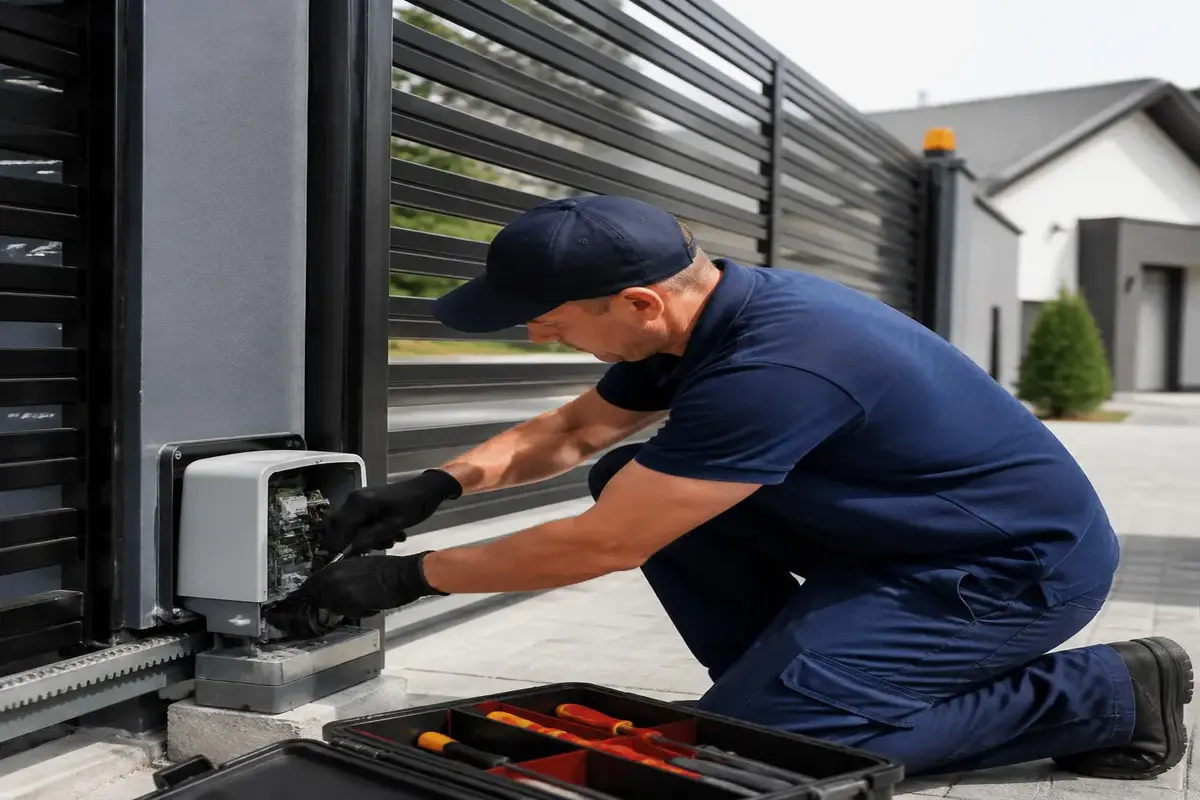

Automatic gates make daily life easier by improving security, privacy, and convenient access to your property. Whether you have a sliding gate, swing gate, or driveway gate, regular gate maintenance is essential to keep the system operating safely and reliably. Like any mechanical and electrical equipment, automatic gates experience wear over time. Dust, changing weather, daily use, and a lack of maintenance can gradually reduce their performance and eventually lead to unexpected breakdowns. Following a proper automatic gate maintenance checklist helps you identify small issues before they become expensive repairs. Simple tasks such as cleaning the tracks, inspecting moving parts, testing safety devices, and checking the gate motor can significantly extend the life of your gate while reducing the risk of sudden failures. At Austin Gate Repair, we regularly help homeowners and businesses maintain automatic gate systems throughout Austin, TX. While some routine inspections can be performed by property owners, understanding what to inspect and when to seek professional assistance can save both time and money in the long run. In this guide, you’ll learn how to maintain your automatic gate, how often maintenance should be performed, common mistakes to avoid, and the essential inspections that help keep your gate operating smoothly throughout the year.
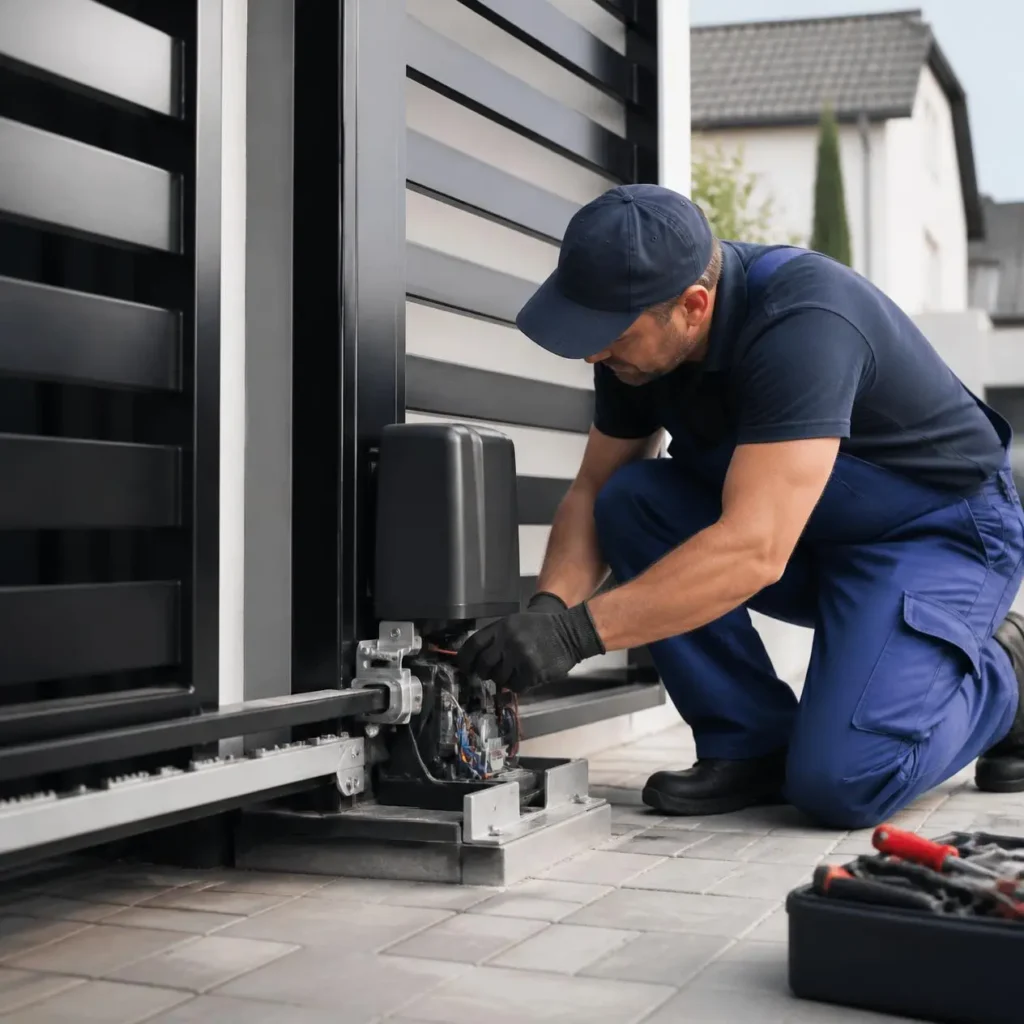
Automatic Gate Maintenance Checklist
Before diving into the details, here’s a quick checklist you can use to keep your automatic gate in good working condition.
| Maintenance Task | Recommended Frequency |
|---|---|
| Clean gate tracks and remove debris | Monthly |
| Lubricate hinges, rollers, and moving parts | Every 3 months |
| Inspect gate motor for unusual noises or overheating | Every 6 months |
| Test safety sensors | Monthly |
| Check remote controls and keypad operation | Monthly |
| Inspect chains, belts, and rollers for wear | Every 6 months |
| Tighten loose bolts and hardware | Every 6 months |
| Test battery backup system | Every 6 months |
| Check for rust or structural damage | Every 3 months |
| Schedule a professional gate inspection | Once a year |
Routine inspections take only a few minutes but can help prevent expensive repairs and improve the overall reliability of your gate system.
Why Regular Automatic Gate Maintenance Matters
Many homeowners only think about gate maintenance after something goes wrong. A gate that suddenly refuses to open, moves unevenly, or stops responding can be frustrating, especially when you rely on it every day for security and convenience. The good news is that many of these problems are preventable with regular maintenance. Automatic gates contain dozens of moving and electrical components that work together every time the gate opens or closes. Rollers move along tracks, hinges support the gate’s weight, safety sensors detect obstacles, and the motor provides the power needed to operate the entire system. As these components are exposed to dust, moisture, vibration, and changing weather conditions, they naturally experience wear. Without routine inspections and maintenance, small issues can gradually develop into larger mechanical or electrical failures. Regular maintenance offers several important benefits:
- Extends the lifespan of your automatic gate and motor.
- Helps prevent unexpected breakdowns.
- Reduces the likelihood of expensive emergency repairs.
- Improves the safety of everyone using the gate.
- Keeps the gate operating smoothly and quietly.
- Protects your investment by identifying minor issues before they become major problems.
For homeowners in Austin, regular maintenance is even more important. High summer temperatures, airborne dust, seasonal storms, and heavy daily use can all place additional stress on automatic gate systems. A consistent maintenance routine helps minimise these effects and keeps your gate operating reliably throughout the year. Proper maintenance also complements professional Gate Maintenance services. While homeowners can carry out basic inspections and cleaning, periodic professional servicing helps identify hidden issues that may not be visible during routine checks.
Monthly Automatic Gate Maintenance Checklist
Routine maintenance doesn’t require advanced technical skills, but it does require consistency. Spending just a few minutes inspecting your gate each month can help you catch small problems before they become costly repairs. The following checklist covers the key areas every homeowner should inspect to keep an automatic gate operating safely and efficiently.
1. Clean the Gate Tracks
For sliding gates, clean tracks are essential for smooth operation. Dust, leaves, gravel, and other debris can build up over time, creating resistance that forces the motor to work harder than necessary. Take a few minutes each month to inspect the entire track. Remove any dirt or debris using a soft brush or blower, and check for dents or obstructions that could interfere with movement. If the gate begins slowing down or jerking while opening, the track should be one of the first areas you inspect. Keeping the track clean helps reduce wear on rollers and motors while extending the life of the entire gate system.
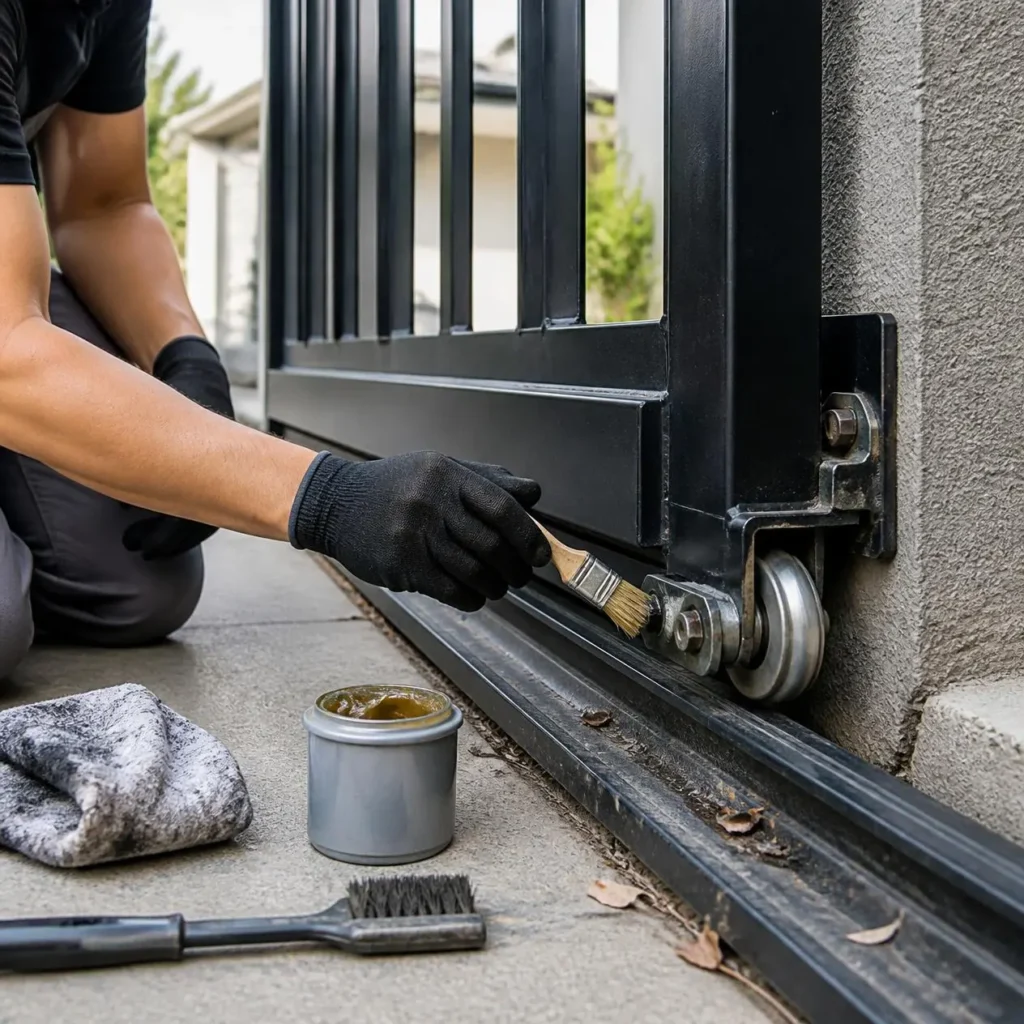
2. Lubricate Moving Parts
Automatic gates rely on multiple moving components that create friction during daily operation. Hinges, rollers, bearings, chains, and pivot points should all move freely without excessive resistance. Use a lubricant recommended by the gate manufacturer and apply it only to the required moving parts. Avoid over-lubricating, as excess grease can attract dust and dirt, creating additional maintenance problems over time. Proper lubrication helps:
- Reduce friction between moving parts.
- Minimise unnecessary strain on the motor.
- Prevent squeaking and grinding noises.
- Extend the lifespan of rollers, hinges, and bearings.
If lubrication doesn’t improve noisy or stiff operation, the problem may indicate worn components that require professional inspection.
3. Inspect the Gate Motor
The motor is the heart of every automatic gate system. While homeowners shouldn’t attempt to repair electrical components themselves, regular visual inspections can help identify early warning signs.
Check for:
- Unusual grinding or humming sounds.
- Burning smells.
- Oil leaks around the motor housing.
- Excessive vibration during operation.
- Signs of overheating.
A motor that becomes unusually hot or struggles to move the gate should never be ignored. Continuing to operate an overloaded motor may result in complete failure and more expensive repairs. If you notice any of these issues, scheduling a professional Automatic Gate Repair inspection is the safest course of action.
4. Test the Safety Sensors
Modern automatic gates include safety sensors that help prevent the gate from closing when a person, vehicle, or object is detected in its path. These sensors are one of the most important safety features of the entire system. At least once a month:
- Clean the sensor lenses with a soft cloth.
- Remove dirt, cobwebs, or leaves blocking the sensors.
- Check that both sensors remain properly aligned.
- Test the system by placing an object in the gate’s path while it closes (following the manufacturer’s safety instructions).
If the gate fails to respond correctly, discontinue use until the sensors have been inspected. Faulty safety devices can increase the risk of accidents and should always be addressed promptly.
5. Check Your Remote Controls and Keypad
Access devices such as remote controls, wireless keypads, and smartphone applications should respond consistently every time you use them. During your monthly inspection:
- Replace weak remote batteries.
- Test every programmed remote.
- Confirm the keypad responds correctly.
- Check for loose wiring around external keypads.
- Ensure the emergency release functions properly.
Intermittent operation isn’t always caused by dead batteries. It can also indicate receiver, wiring, or control board issues that require further diagnosis. If your access system continues to malfunction after basic troubleshooting, a professional Gate Opener Repair service can identify the underlying problem before it affects the entire gate system.
DIY Maintenance vs Professional Gate Maintenance
Some maintenance tasks are simple enough for homeowners to perform during routine inspections, while others involve electrical systems, specialised tools, or safety components that should only be handled by trained technicians.
| Homeowner Maintenance | Professional Maintenance |
|---|---|
| Clean tracks and remove debris | Repair or replace gate motors |
| Lubricate hinges and rollers | Diagnose electrical faults |
| Check remote batteries | Repair control boards |
| Inspect for rust or loose hardware | Calibrate safety sensors |
| Clean safety sensor lenses | Replace damaged rollers or tracks |
| Perform visual inspections | Complete system diagnostics |
Routine homeowner maintenance plays an important role in keeping your gate operating efficiently. However, professional servicing provides a more detailed inspection that can uncover hidden mechanical or electrical issues before they develop into major failures. By combining regular DIY care with scheduled professional inspections, you’ll improve your gate’s reliability, extend its lifespan, and reduce the likelihood of unexpected repairs.
Seasonal Automatic Gate Maintenance Tips
Your automatic gate is exposed to changing weather throughout the year, and each season presents different maintenance challenges. Adjusting your maintenance routine based on seasonal conditions can help prevent unnecessary wear and keep your gate operating reliably.
Summer
Austin’s summer heat can place extra stress on automatic gate systems. Prolonged exposure to high temperatures may cause motors to work harder, lubricants to dry out more quickly, and electrical components to overheat. During summer:
- Inspect the motor for signs of overheating.
- Check that moving parts remain properly lubricated.
- Remove dust and dirt from tracks more frequently.
- Look for worn or cracked rubber seals around electrical components.
If your gate begins moving slower during extremely hot weather, don’t assume it’s normal. Excessive heat can expose existing mechanical problems that should be addressed before they become more serious.
During Storm Season
Heavy rain, strong winds, and flying debris can affect both the mechanical and electrical components of an automatic gate. After severe weather:
- Remove branches, leaves, and debris from the track.
- Inspect the gate for visible damage.
- Ensure safety sensors are clean and properly aligned.
- Check electrical enclosures for signs of water intrusion.
- Test the gate’s full opening and closing cycle.
A quick inspection after a storm can help identify minor issues before they interrupt the gate’s operation.
Year-Round Maintenance Habits
Regardless of the season, some maintenance tasks should remain part of your routine. These include:
- Keeping tracks free from debris.
- Inspecting hinges and rollers.
- Testing remote controls.
- Looking for rust or corrosion.
- Listening for unusual sounds during operation.
- Scheduling regular professional inspections.
Consistent maintenance throughout the year is one of the most effective ways to reduce unexpected repairs and extend the life of your gate system.
Common Automatic Gate Maintenance Mistakes
Many gate problems don’t happen because equipment suddenly fails; they develop gradually due to overlooked maintenance. Avoiding a few common mistakes can save time, reduce repair costs, and keep your gate operating safely.
Waiting Until Something Breaks
One of the biggest mistakes homeowners make is assuming maintenance isn’t necessary until the gate stops working. By the time a gate refuses to open or close, smaller issues such as worn rollers, poor lubrication, or motor strain may have already caused additional damage. Preventive maintenance is almost always less expensive than emergency repairs.
Ignoring Unusual Noises
Grinding, squeaking, clicking, or rattling sounds should never be ignored. These noises often indicate:
- Dry hinges
- Worn rollers
- Loose hardware
- Track problems
- Components beginning to wear
Addressing these issues early can prevent damage to more expensive parts, including the motor.
Using the Wrong Lubricant
Not all lubricants are suitable for automatic gate systems. Using heavy grease or the wrong product may attract dirt and dust, leading to increased friction rather than smoother operation. Always use a lubricant recommended for your specific gate system or follow the manufacturer’s maintenance recommendations.
Forgetting to Clean Safety Sensors
Safety sensors are designed to detect obstacles and prevent accidents. Dirt, cobwebs, grass clippings, and dust can interfere with their operation. Cleaning the sensors takes only a few minutes but helps ensure they continue functioning correctly. Never assume the sensors are working properly without testing them regularly.
Skipping Professional Inspections
Routine homeowner maintenance is valuable, but it doesn’t replace a professional inspection. Experienced technicians can identify worn electrical components, alignment issues, motor problems, and hidden mechanical wear that may not be visible during a basic visual inspection. Combining regular homeowner maintenance with periodic professional servicing provides the best long-term protection for your gate.
When Should You Call a Professional?
Routine maintenance helps keep your automatic gate in good condition, but some problems require professional attention. While homeowners can safely handle basic tasks such as cleaning tracks, lubricating moving parts, and performing visual inspections, electrical faults and mechanical failures should always be diagnosed by experienced technicians. You should schedule a professional inspection if you notice:
- The gate won’t open or close completely.
- The motor overheats or makes loud grinding noises.
- Safety sensors fail during testing.
- The gate moves unevenly despite cleaning the tracks.
- Remote controls or keypads stop responding after replacing the batteries.
- The gate reverses unexpectedly or stops midway.
- There is visible damage to the gate frame, rollers, or tracks.
These issues often involve electrical systems, motors, control boards, or structural components that require specialised equipment and expertise. Continuing to use a faulty gate can increase wear on other components, shorten the system’s lifespan, and create unnecessary safety risks. If your inspection identifies a problem beyond routine maintenance, professional Electric Gate Repair can restore safe and reliable operation before minor issues become costly repairs. Regular inspections are also recommended by the Door and Access Systems Manufacturers Association (DASMA), which highlights the importance of routine maintenance and safety checks to help identify mechanical and operational issues before they develop into major failures.
How Often Should You Service Your Gate?
| Task | How often | Who |
|---|---|---|
| Look for damage, test the remote and keypad, clear debris from the track | Monthly | Homeowner |
| Clean and test safety sensors (photo-eyes and edges) | Monthly | Homeowner |
| Lubricate hinges, rollers and chain (if your opener uses one) | Every 3 months | Homeowner |
| Tighten bolts, check hinges and posts for sagging, touch up rust | Every 6 months | Homeowner or technician |
| Full inspection: motor, gearbox, wiring, control board, battery backup, limit settings | Once a year (twice for busy commercial gates) | Technician |
Common Gate Maintenance Mistakes to Avoid
- Using the wrong lubricant. Thick grease on tracks collects dust and sand. Use a silicone or lithium spray made for gates and wipe off the extra.
- Ignoring small noises. A new squeal or grinding sound usually means a worn roller, hinge or gear. Fixing it early costs far less than replacing a motor.
- Skipping the hardware check. Loose bolts and sagging hinges put extra load on the opener and throw off the gate’s alignment.
- Letting rust spread on metal gates. Sand small rust spots, apply a rust-inhibiting primer and repaint. On wrought iron, check welds and the bottom rail, where water collects.
- Not keeping records. Write down service dates and repairs. It helps a technician find repeat problems and protects your warranty.
Prefer to have a pro handle it? Our gate maintenance service in Austin covers the full yearly inspection.
Frequently Asked Questions
- How often should an automatic gate be maintained?
Basic maintenance, such as cleaning tracks, checking safety sensors, and inspecting moving parts, should be performed every month. Most manufacturers also recommend scheduling a professional inspection at least once a year. Gates used frequently, especially on commercial properties, may benefit from more regular servicing. - Can I maintain my automatic gate myself?
Yes. Homeowners can safely carry out routine tasks such as cleaning tracks, lubricating hinges and rollers, checking remote batteries, and visually inspecting the gate for wear or damage. However, electrical repairs, motor issues, and sensor calibration should always be handled by qualified technicians. - What type of lubricant should I use on an automatic gate?
Always use a lubricant recommended by the gate manufacturer or one specifically designed for gate components. Avoid heavy grease or unsuitable products, as they can attract dust and debris, reducing performance over time. - What is included in professional automatic gate maintenance?
A professional maintenance service typically includes inspection of the motor, rollers, hinges, tracks, safety sensors, electrical connections, access controls, battery backup system, and structural components. Any worn or damaged parts can be identified before they lead to larger repairs. - How long does an automatic gate typically last?
The lifespan of an automatic gate depends on its quality, usage, installation, and maintenance. With regular servicing and timely repairs, many automatic gate systems can operate reliably for 15–20 years or more.
Conclusion
Regular maintenance is one of the simplest ways to protect your investment and avoid unexpected gate problems. By following a consistent maintenance routine, cleaning key components, testing safety features, and scheduling professional inspections when needed, you can improve your gate’s performance, extend its lifespan, and reduce the likelihood of costly repairs. Whether you own a residential driveway gate or a commercial access system, preventive maintenance helps keep your property secure and your gate operating reliably throughout the year. If your gate isn’t operating as it should, or you’ve identified an issue during your inspection, the team at Austin Gate Repair is here to help. From routine maintenance to complex repairs, we provide dependable solutions for homeowners and businesses across Austin and the surrounding areas.
Need expert assistance? Contact Austin Gate Repair today to schedule a professional inspection and keep your automatic gate operating safely and efficiently.