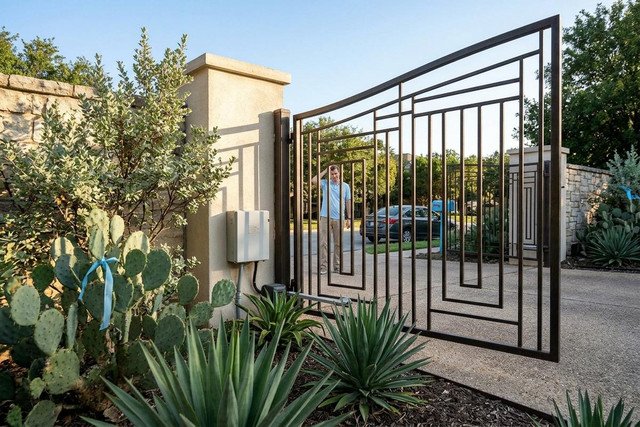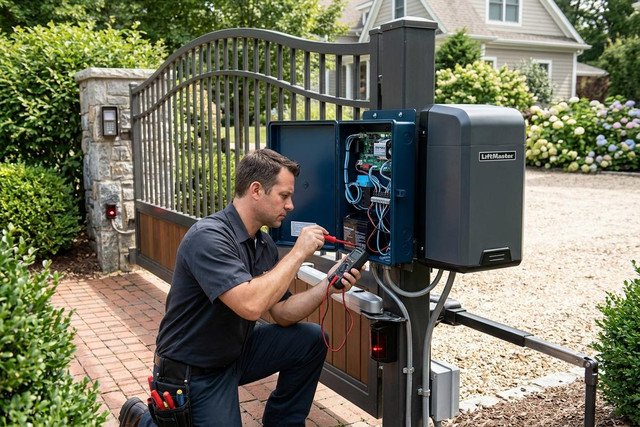
Fix a sagging gate by replacing loose hinge screws with 3-inch exterior lag bolts or installing a diagonal anti-sag turnbuckle kit to pull a racked frame back into square. Most Austin properties require professional intervention when shifting clay soil destabilizes the hinge post itself. Many homeowners make the common mistake of slapping on a caster wheel and hoping for the best. That incorrect approach only masks the underlying structural problem temporarily. When exploring how to fix a sagging gate correctly, you must examine the actual hardware first. Scheduling reliable driveway gate repair targets the root cause directly so your heavy entryway operates smoothly in 2027.
Preparing your property for harsh 2027 weather patterns means addressing small alignment issues before they become major expenses. Central Texas climate fluctuations cause significant soil expansion and wood contraction over the shifting seasons. Because moisture levels change rapidly, wooden frames warp and heavy hardware pulls away from the supporting posts. A systematic approach to diagnosis saves you valuable time and prevents unnecessary hardware purchases when determining how to fix a sagging gate.
Why Do Fence Gates Sag?
Gravity acts relentlessly on heavy wooden structures swinging continuously from one supporting side. Over time, the constant physical tension pulls the top hinge outward while compressing the bottom hinge inward. Wood rot also contributes heavily to this common problem by softening the material holding your fasteners. Consequently, basic screws pull out of the timber, and the frame loses its rigid shape. Mastering how to fix a sagging gate prevents this moisture accumulation from destroying the wood.
Diagnosing Gate Sag: Hinges, Gate Frame Racking, or Post Failure?
Identifying the exact failure point requires careful observation and a few basic tools. Grab a standard four-foot level and a tape measure to evaluate the current structural alignment. Start by checking the vertical plumb of the main hinge post to see if it leans inward. If the post remains perfectly straight, the issue likely stems from loose hardware or warping on your metal gate in austin. Knowing this difference is crucial when learning how to fix a sagging gate properly.
5 Best Steps: How to Fix a Sagging Gate with an Anti-Sag Kit
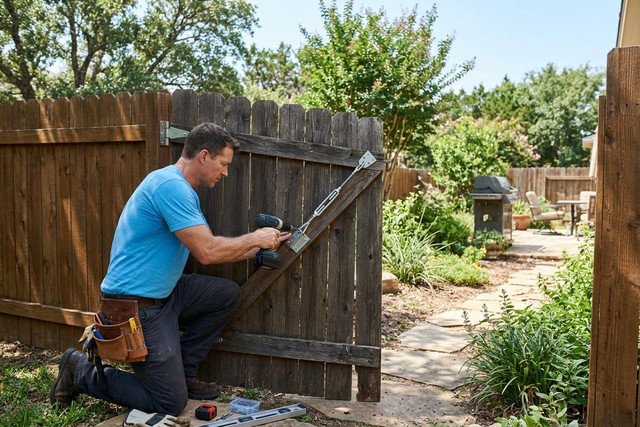
Installing a tension cable from the top hinge corner down to the bottom latch corner provides excellent structural support. This diagonal brace acts exactly like a construction truss to pull the dragging side back upward where it belongs. Homeowners dealing with frequent dragging issues find this specific method highly effective for heavy wooden fences. Follow these specific steps to restore proper functionality without completely replacing the expensive entryway panel during your next weekend project.
1. Pre-drill the corner pilot holes
Measuring carefully before drilling prevents the aged timber from splitting under sudden pressure. You must drill pilot holes exactly at the top hinge corner and the opposite bottom latch corner. Creating these precise guide channels ensures your heavy hardware installs straight into the thickest part of the wooden frame. Because the tension cable applies massive pressure, securing these initial mounting points flawlessly determines the ultimate success of the entire project.
2. Attach the heavy corner brackets
Properly securing the heavy-duty metal plates requires using thick exterior grade lag screws instead of standard drywall fasteners. Drive these bolts deep into the pre-drilled holes so the metal brackets sit completely flush against the bare wood surface. A firm tightening prevents the plates from shifting when the metal cable pulls across the diagonal span. Always double-check your hardware alignment before moving forward to the complex wiring phase.
3. Thread the galvanized steel cable
The galvanized wire rope creates the main support mechanism for the heavy frame once threaded through the brackets. Loop the wire through the corner anchors and attach the provided metal clamps securely to hold the initial spring tension. It is smart to leave a few inches of extra cable so you can grip the wire firmly while securing those vital locking nuts. Hand-pulling the cable tightly minimizes the mechanical adjustment needed later.
4. Install the adjustable center turnbuckle
Connecting the adjustable middle turnbuckle piece between the two separate cable sections establishes your main tensioning mechanism. Be sure to leave plenty of exposed thread available on both ends of the device to accommodate any future tightening adjustments. Correctly hooking the loops ensures the entire assembly remains completely stable when the harsh wind rattles the fence. Once connected safely, the diagonal wire should look visually straight across the entire wooden panel.
5. Tighten the assembly until clear
Rotating the center turnbuckle clockwise with a standard wrench slowly applies pulling force to the lowest corner. You must continue turning the metal device steadily until the dragging latch lifts completely off the concrete driveway ground. Checking the swinging motion periodically prevents you from over-tightening the wire and bowing the wood unnaturally. Once the bottom edge clears the pavement smoothly, you have successfully learned how to fix a sagging gate yourself.
How to Fix Fence Gate Hinges and Hardware
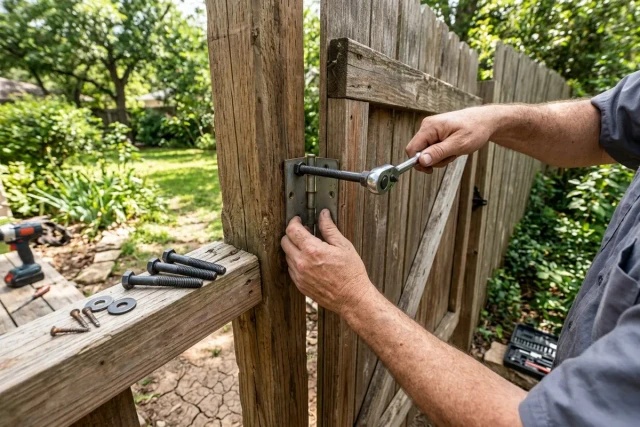
Sometimes the wooden frame remains perfectly square, but the mounting hardware simply gives out under the constant physical weight. Stripped holes occur frequently when previous installers use standard drywall screws instead of proper structural wood fasteners. Therefore, you must pack out the damaged holes with wooden dowels and strong exterior-grade wood glue. Once the adhesive cures completely, anyone researching how to fix a sagging gate can confidently attempt their gate hinge repair using robust hardware. Upgrading to three-inch exterior lag screws provides maximum holding power.
Austin Soil Movement: Correcting Shifting Gate Posts
The expansive clay soil found throughout Central Texas creates unique challenges for heavy perimeter property fencing. During dry summer months, the parched earth shrinks backward and pulls away from the concrete footings buried underground. When heavy seasonal rains finally return, the saturated ground swells dramatically and pushes those same structural posts out of proper vertical alignment. Because this natural cycle repeats annually, homeowners constantly battle dragging latch sides and search for how to fix a sagging gate permanently.
As a result, even perfectly constructed wooden panels will inevitably begin dragging against the driveway pavement. Correcting this severe leaning usually requires digging much deeper footers and pouring fresh concrete to anchor everything securely below the active soil line. Navigating this physically demanding landscaping challenge is exactly why many residents eventually seek professional gate repair Austin services. Hiring experienced technicians eliminates the backbreaking labor associated with mixing heavy bags of wet cement.
Sagging Driveway Gates: Preventing Damage to Automated Openers
Automated swing systems suffer catastrophic mechanical failures when forced to push dragging metal panels across the rough pavement. The internal motor gears strip out quickly because manufacturers never designed them to lift vertical dead weight continuously. Furthermore, the sensitive electrical components draw excess current while desperately struggling to overcome the unexpected physical resistance. Preventing this incredibly expensive damage requires keeping your hinges perfectly lubricated and knowing how to fix a sagging gate immediately when issues arise.
When to Call Austin Gate Repair for Professional Reinforcement
Heavy-duty metal entryways and severely rotted timber posts often require specialized professional welding or advanced carpentry skills. Lifting a four-hundred-pound iron structure without proper safety equipment poses serious physical risks to homeowners. Instead of risking personal injury or further property damage, consider letting experienced local technicians handle the heavy lifting. Following a strict maintenance checklist helps identify when minor adjustments cross over into major reconstruction territory. Our local teams possess the necessary industrial tools required for lasting results.
Frequently Asked Questions
1. How do you stop a gate from sagging?
You can stop a panel from dragging by installing diagonal tension cables or solid wood compression braces. If you want to know how to fix a sagging gate, a metal turnbuckle kit pulls the heavy latch side upward, while a wooden cross brace prevents the rectangular frame from dropping downward.
2. What is the best anti-sag gate kit for a wooden fence?
Heavy-duty galvanized steel turnbuckle kits provide the most durable solution for residential wooden fences. The zinc coating resists rust during severe storms, and the adjustable center threads allow you to increase tension easily if the wood shrinks later.
3. How to build a wooden fence gate that won’t sag?
Constructing a rigid frame requires implementing a classic Z-brace pattern across the back of the horizontal rails. Using heavy carriage through-bolts instead of standard wood screws prevents the hardware from pulling loose, meaning you won’t have to research how to fix a sagging gate later.
4. Can I use a gate caster wheel to fix gate sag?
Adding a caster wheel only offers a temporary fix and does not resolve the underlying structural failure. Furthermore, these small rubber wheels frequently bind up or get stuck on Austin’s uneven clay soil and exposed tree roots.
5. Why did my gate start dragging after heavy rain?
Texas clay soil expands massively when saturated, which physically pushes your supporting posts out of their vertical plumb line. Additionally, porous timber absorbs the ambient moisture, adding significant water weight that overloads your existing hinges. This common weather reaction is exactly why Austin homeowners constantly ask how to fix a sagging gate after spring storms.
Protecting your property value means addressing structural alignment issues before they ruin your expensive automation equipment. Whether you need basic hinge replacements or full post concrete reinforcement, experienced local assistance makes the entire process stress-free. Contact our team to schedule a comprehensive evaluation and let us show you how to fix a sagging gate with fast, reliable Austin repair service today.
Call now for fast, reliable Austin gate repair service today.